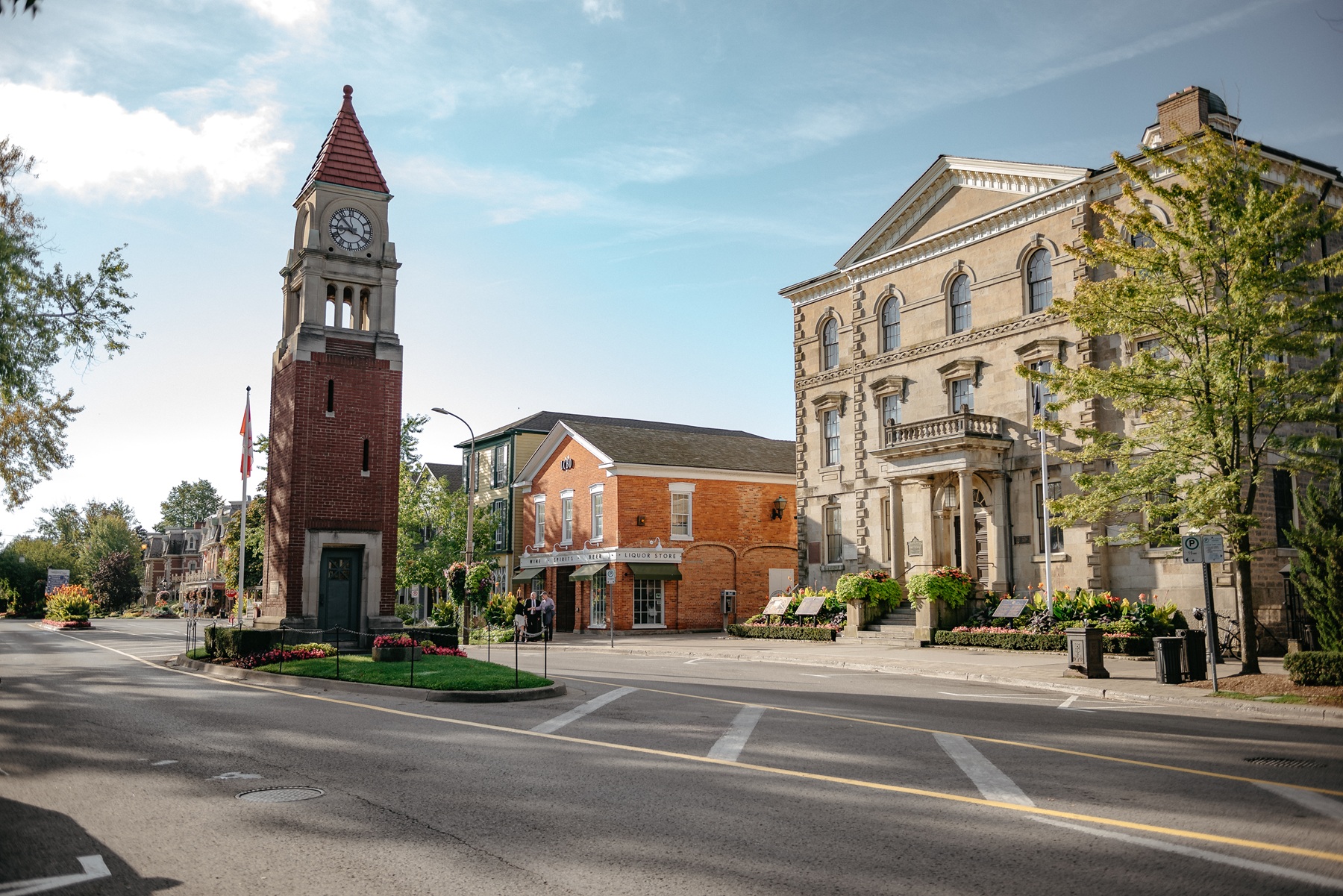
Twenty minutes by helicopter from Toronto, a world away in every other sense — this is Niagara-on-the-Lake
Round the bend on Niagara Parkway and the town appears, unhurried by time. The church spires are still here. So are the old-growth maples, the wide verandas, and the feeling that somewhere, quietly, someone is already opening a bottle of something excellent. Settled by Loyalists after the American Revolution, Niagara-on-the-Lake served as the first capital of what is now Ontario — and it has managed a feat few historic towns achieve: it absorbed two centuries of history without being frozen in time. The streets are genuinely alive — with cyclists, with wine glasses catching afternoon light, with theatregoers sorting through their programmes. If you’ve been looking for somewhere to properly slow down, this town has been waiting.
Wine, and the art of taking the long way
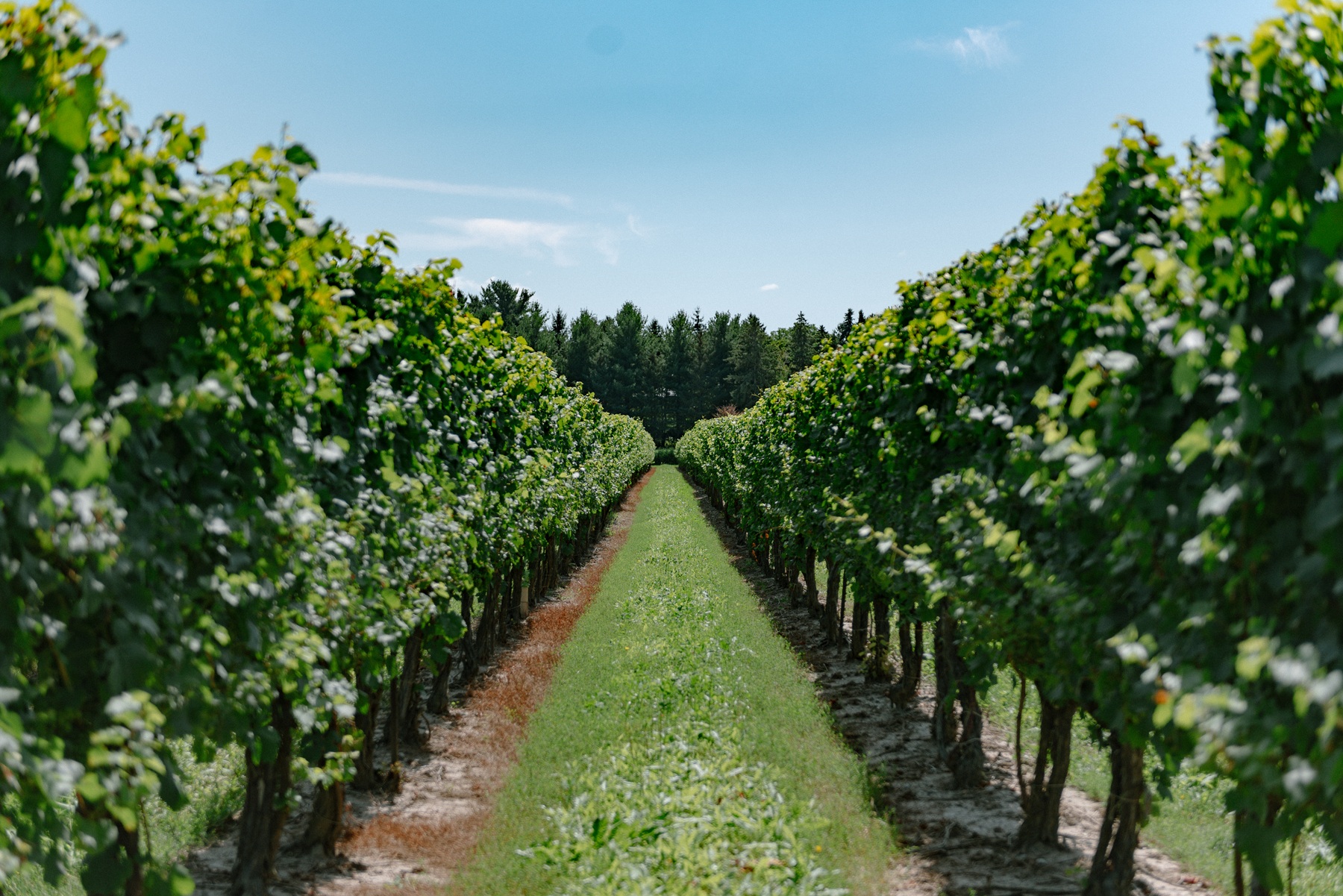
The Niagara Peninsula is one of Canada’s most celebrated wine regions, and the vineyards that unfurl along the highway heading south are reason enough to plan a long weekend here. The microclimate — moderated by both Lake Ontario and Lake Erie — coaxes world-class Rieslings, barrel-aged Chardonnays, and the region’s prized Icewines from the soil.
Peller Estates is a natural first stop: its Underground Cellar tasting, conducted at -10°C surrounded by aging Icewine barrels, is theatrical and genuinely memorable. Inniskillin, just minutes east along the parkway, is where Canadian ice wine’s story was written; the converted barn tasting room is beautiful and unpretentious, staffed by icewine aficionados. For something more intimate, Ravine Vineyard offers tastings on a heritage property framed by dry-stone walls and a restored 1867 farmhouse — the kind of place where an afternoon can dissolve without apology. Most of the region’s wineries are connected by flat, leafy roads well suited to cycling, and guided bike tours between estates are among the more pleasurable ways to earn a glass.
Built on important ground
What distinguishes Niagara-on-the-Lake from other charming small towns is that its history is genuinely consequential. This was the site of pivotal battles in the War of 1812, where Canadian and British forces repelled American invasions across the river. Fort George National Historic Site stands at the edge of town, its earthworks and palisades reconstructed to vivid period accuracy. Walk the ramparts in late afternoon, the American shore hazy across the water, and the strategic logic of the position becomes entirely legible.
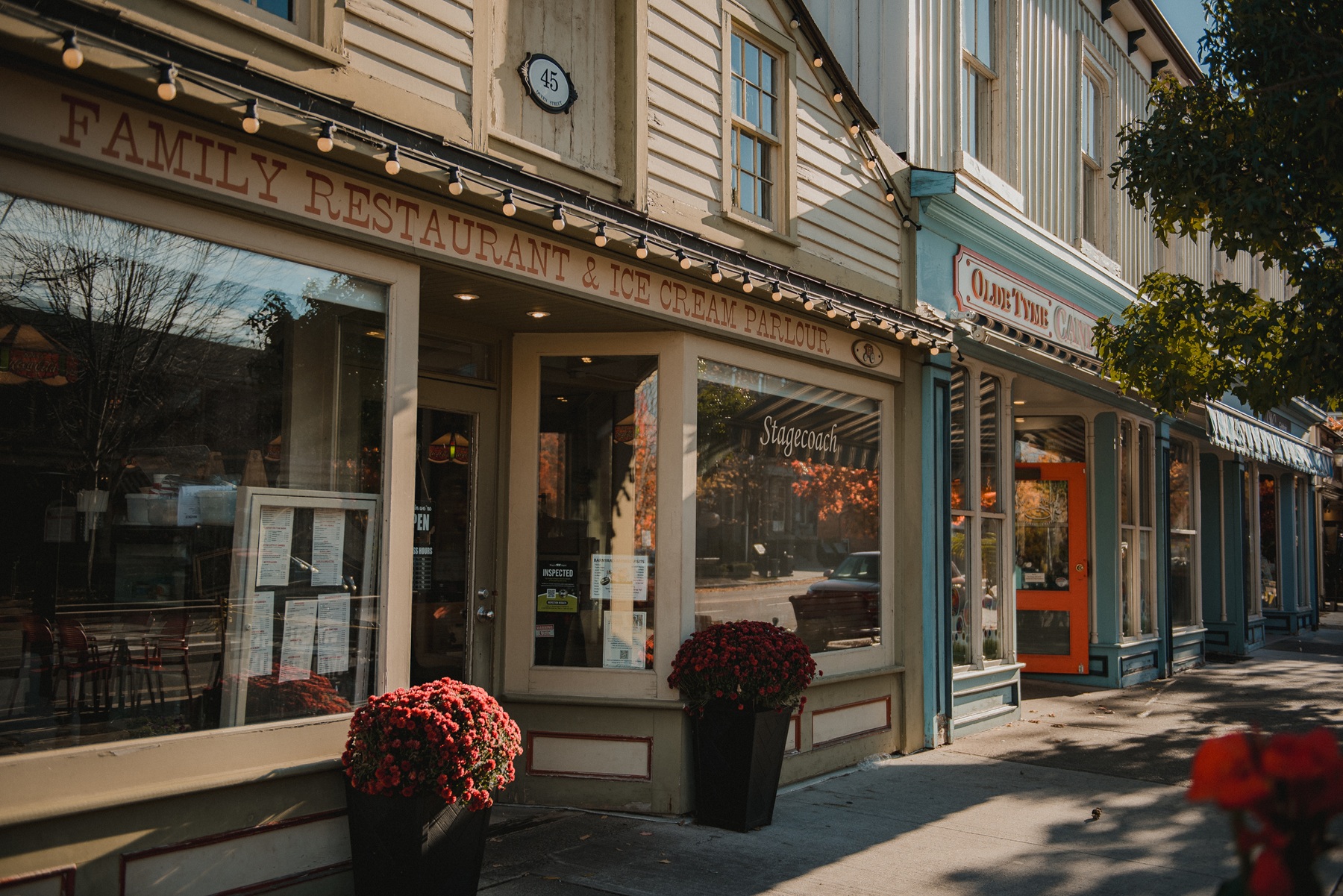
The Niagara Historical Society Museum — the oldest purpose-built museum in Ontario — houses an astonishing collection spanning Indigenous history, Loyalist settlement, and the war. The compact scale of the town means you can read most of it on foot in a single afternoon, then reward yourself with a table on Queen Street, lined with independent restaurants, apothecaries turned wine bars, and shops that sell things you’ll actually want to own.
The Shaw Festival adds another dimension entirely. Running spring through autumn, it draws theatre of surprising ambition to the town’s several stages — programming that would hold its own in any major city, delivered in a setting that makes the evening feel like an occasion. Book ahead, dress for dinner, and make a night of it.
The Falls, while you’re here
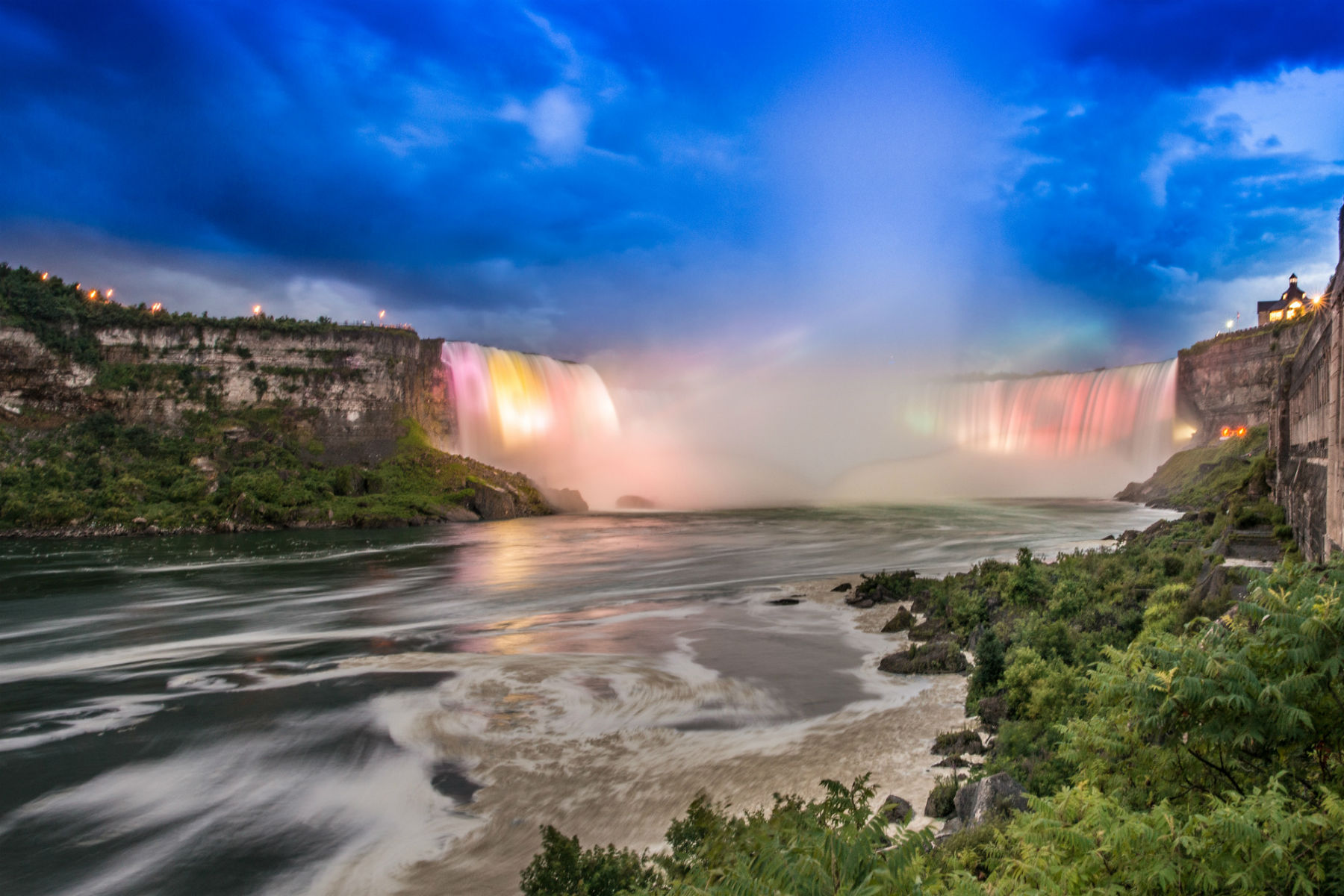
While summer often draws attention, those who know this coast understand that some of its most compelling moments happen earlier in the season.
In May, the rainforest feels especially alive.
Waterfalls are at their fullest, fed by snowmelt from the mountains above. The forest is impossibly green, dense with new growth. Wildlife begins to stir — bears emerging along the shoreline, marine life returning to the surrounding waters.
Stay at The Scotsman
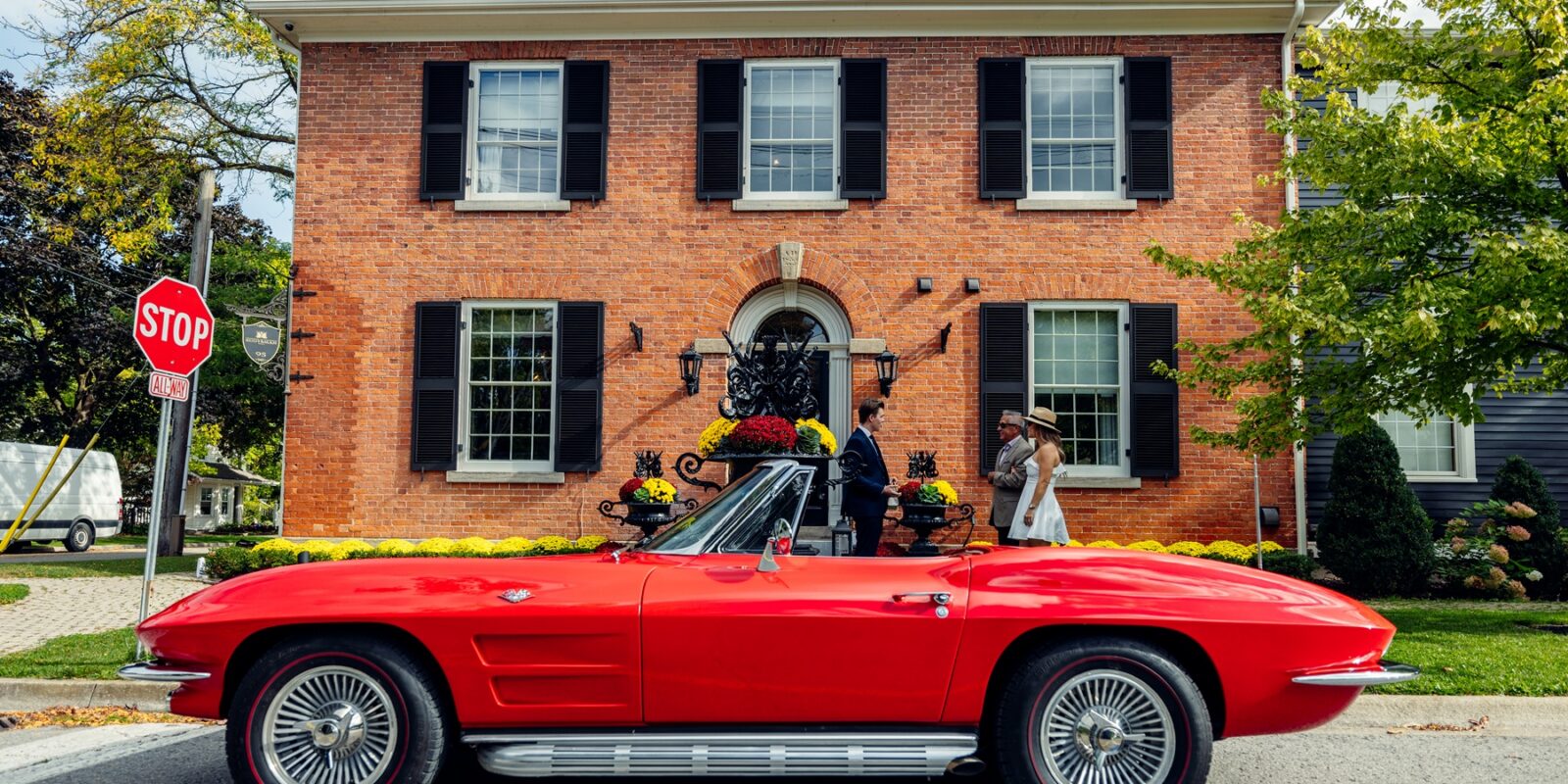
For those coming from Toronto, The Scotsman arranges something rather extraordinary: a private helicopter transfer via Bell 429, putting you on the ground in twenty minutes. It is, by some distance, the finest way to arrive — the lake spread out below, the river glinting, the town appearing in miniature before you descend. The concierge team can also arrange carriage tours through the historic streets, chauffeured limousine service for winery days, and bike hire for those who prefer their own pace.
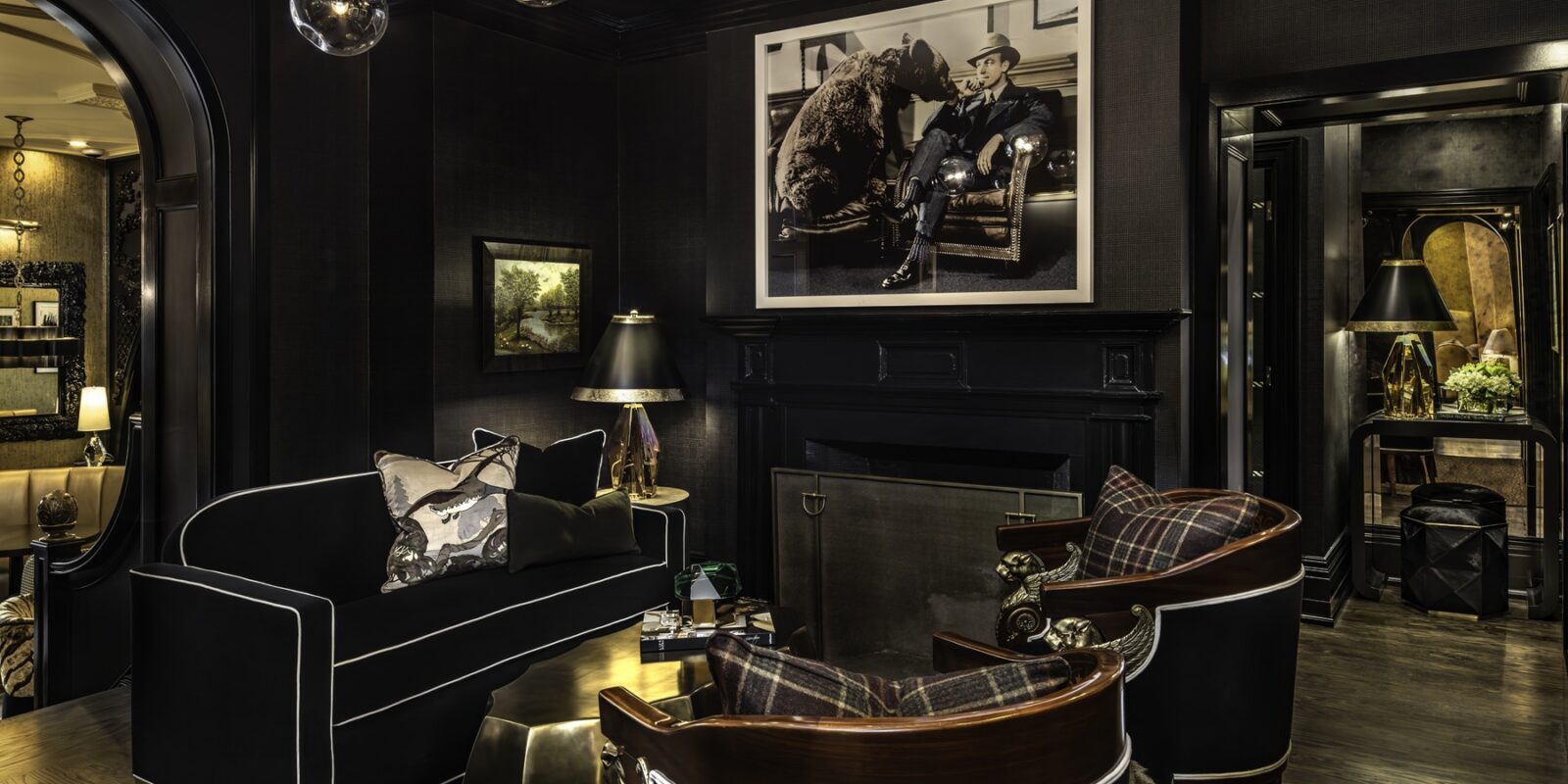
The inn itself is a boutique property on a quiet street, a short walk from Queen Street’s restaurants and the theatre. There is a difference between hospitality as an industry and hospitality as a genuine inclination, and The Scotsman falls unmistakably into the latter. The rooms are individually appointed with good linen, proper lighting, and small touches that signal real thought. Breakfast is unhurried and generous, made from local ingredients — the kind of morning meal you plan the rest of your day around.
For those arriving from Toronto or looking to explore the region from a different perspective, the team can also arrange seamless transfers and curated touring — including private helicopter journeys that bring the city, vineyards, and surrounding landscape into striking view.
When to come
Shoulder season rewards the most: May and June, before the summer crowds arrive; or September and October, when the vines turn gold and harvest energy fills every cellar door. Combine a Shaw Festival performance with a wine tour, a morning at the fort, and a long dinner on Queen Street, and you will have done Niagara-on-the-Lake in all its glory.
Interested in visiting Niagara-on-the-Lake? Don’t miss Notes on Ontario, our food and wine-forward journey or start planning today.